( 130 )

The world fell silent, and she surrendered herself to listening to things. She wandered about with a large cup of tea, held attentively with both hands. She allowed herself to live in an eternal present. She recounted the most terrifying stories with the poise of someone who had already transformed them into a form of wisdom.

( 131 )

She wouldn’t let go of her red notebook, not even to go to the bathroom. Sometimes she saw things coming and smiled silently; we knew what she’d glimpsed was right there among us because it laughter announced it. Then she’d open her notebook and take notes. She gave us the most hilarious stories about Borges, stories that even Bioy herself must have missed.

( 129 )

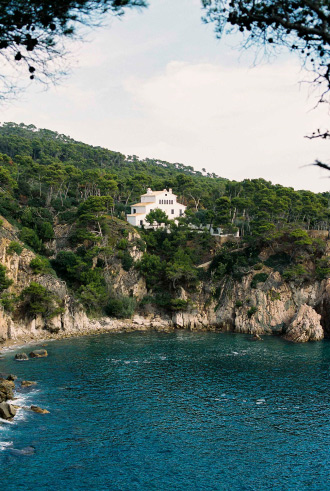
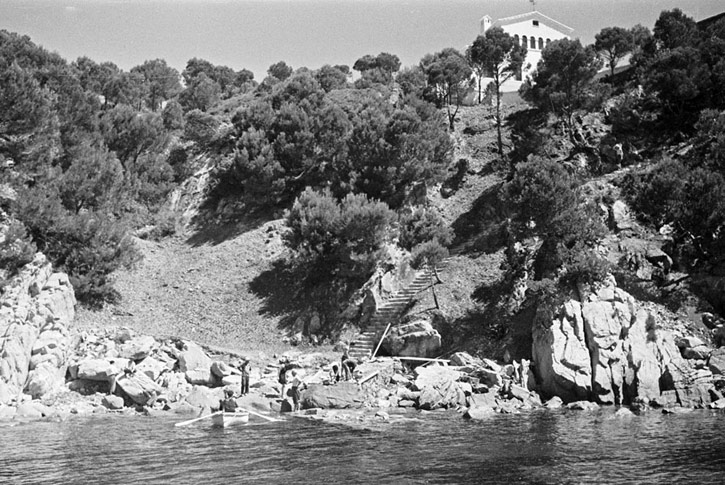
When she couldn’t find a word, she would leave the studio and go down the stone steps of Cala Sanià. She would stay there for a while, then go up to the terrace, contemplate the cliff, and return to the studio. From there, she glimpsed the profound life of a writer whose realm was not of this world. She would tell us about her. We listened to her read some excerpts from the profile she was preparing. However, she almost always preferred to listen. It was clear in her eyes that she was able to perceive all that we, the rest of us, were unaware of within ourselves.

( 128 )

He didn’t consider himself a comic book artist, but he came to create a comic. Sometimes he’d look at his colleagues with admiration and say, “I’m not a writer.” Then he’d launch into two or three stories that stirred a certain envy (at least in this resident storyteller). He wasn’t convinced he was a painter or an illustrator either. His biography states: “Bachelor of Fine Arts.” After a couple of hours with him, we all realized that none of us were in our own right. Oh, and he also claimed that he never finished the things he liked. However, here he left all the dishes clean.

( 125 )

One morning, he heard a scream echoing through the area. He couldn’t believe his eyes when he saw the name of the cove marked on a map. He had just finished a novel ‘about screaming’. He made his way to the legendary spot. Later, he told his friends about it and took them there. They formed a chorus of screams and crossed the rock. At every lunch and every dinner, he brought up a word. That word will come to pass.

( 126 )

She wrote, of course, in the study with the six windows or slumped in ‘the Balzac armchair’. One day she read us the opening pages of her second novel: a nineteenth-century atmosphere rendered in a language devoid of local colour or period detail, a timeless world which, at the same time, could be situated within history through the objects depicted. That is what we remember. However, the most vivid image, which no one will ever forget, will be that of her biting into the fuzzy kiwis. She was a hit.

( 127 )

Despite her body’s protests, she raised her glass and went along with the friendly rituals around the table. Her sense of humour drew us into a spirit of camaraderie and mayhem. At first she worked on a novel, but later — once she’d completely let her hair down — she fled to another story that has been demanding her attention for years. Guadalupe, please! Give us that book!

( 124 )

She wavered between different projects (diaries, notebooks, collages, embroidery) and settings: the bedroom, the study, the library, the sea, the coastal path, the beaches, the forest. She searched everywhere for the number 54. She came across the prose of Julio Ramón Ribeyro and immersed herself in ‘La tentación del fracaso’.
( 123 )

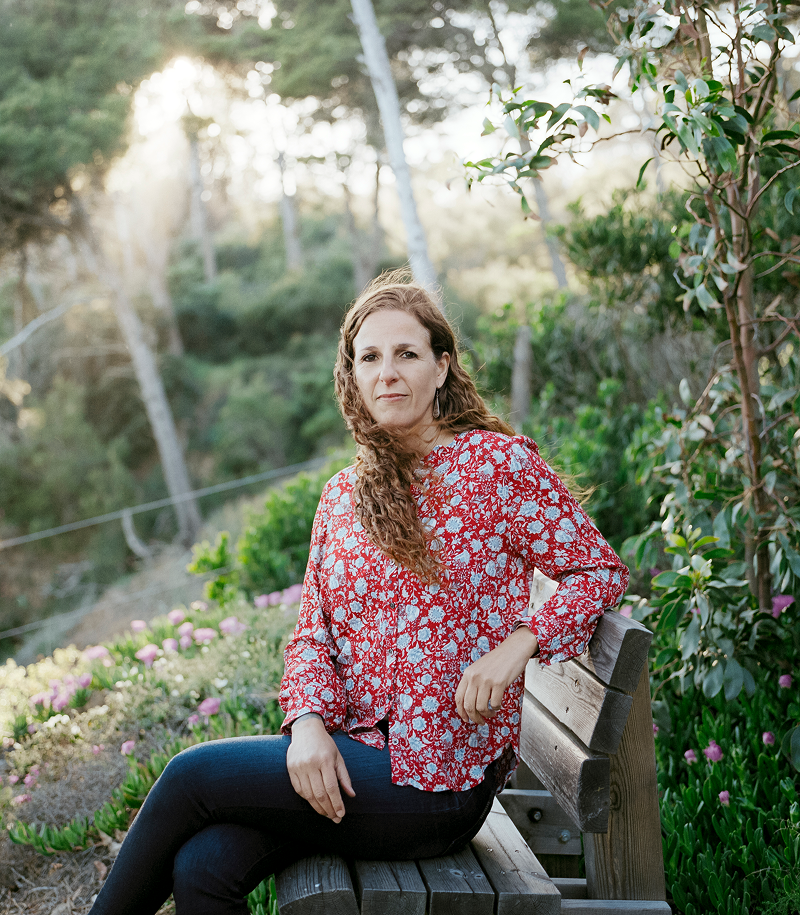
She sought out the bench of solace and sat there in the company of Jamaica Kincaid, Anne Carson, Clarice Lispector, Fleur Jaeggy and Daniela Pes. Sometimes Carroll and Musil were there too. She looked at the trees, the rocks and the sea, but her gaze drifted off into the horizon of a past life. She let herself be distracted by the echoes of footsteps in her memory. Writing as an escape from the present, pure rambling, evasion or distraction. What matters is always elsewhere and is never quite found. It is barely glimpsed.

( 121 )

He established a ritual: every day, without fail, at 8.30 am he would go down to Cala Sanià, take in the surroundings, write in his notebook and take photographs. His observations are a celebration of the origin of everything: the ceaseless (for now) dance of the four elements; and of language.

( 122 )

She faced her own voice amidst the silence of the cabin. She delved into beauty (the beginning of the terrible), she wrestled with the writing. Having no phone or Wi-Fi connection helped her dispel the mist ‘like a viscous weight on her forehead’. If things got complicated, she would go out for a walk and listen to music. On her return, she would throw herself into it. Sometimes she skipped dinner, so absorbed was she in the battle. “The idea of writing a book that is a loved one, that never ends.” “To be a writer and nothing else. Not to be a circus. To accept it and see it through.” “I am not a contemporary.”

( 120 )

She came with Pirueta, which is to say that she often had to jump through hoops to help her dog settle into life in Sanià (new people, the howling winds and, above all, the peaceful chickens). Nevertheless – and despite the back pain that forced her to write standing up – she finished a short novel. She found the ending during a walk through a forest of pine and holm oak trees.

( 119 )

He strained his ears in the silence of the cabin. This helped him, amongst other things, to take note of every topic of conversation. He worked, in cold blood, on a terrifying story. He read like a man on a mission, making the most of his time. And, above all, he didn’t miss a single dessert, let alone Ari’s cakes and pastries after the evening meals, when everyone else was about to go to bed.

( 118 )

She dropped out of law school and, for three weeks, refrained from writing any notes or jottings about the disappearance of the tramontana. She promised herself she would not write about nature, because nature – as she knows – loves to hide. Yet she noticed so many tiny things – some she spoke of; others she could do nothing but keep to herself.

( 116 )

She put down her paintbrushes in her Toronto studio and came to the RLF, not only to write her first novel but also to experience the physicality of the surroundings. Walking up and down the stairs to Cala Sanià allowed her to discover a new side to herself. She showed us that open contemplation is the ultimate form of respect for all things.

( 117 )

He tended to contradict without any effort, as if it were an acquired habit. He refused to gain weight; he ran and did push-ups, but stayed away from yoga. Meditation? Absolutely not. Better to let himself be filled with metaphors of the sea and Beyoncé’s music (he gave us a playlist).

( 130 )

The world fell silent, and she surrendered herself to listening to things. She wandered about with a large cup of tea, held attentively with both hands. She allowed herself to live in an eternal present. She recounted the most terrifying stories with the poise of someone who had already transformed them into a form of wisdom.

( 131 )

She wouldn’t let go of her red notebook, not even to go to the bathroom. Sometimes she saw things coming and smiled silently; we knew what she’d glimpsed was right there among us because it laughter announced it. Then she’d open her notebook and take notes. She gave us the most hilarious stories about Borges, stories that even Bioy herself must have missed.

( 129 )

When she couldn’t find a word, she would leave the studio and go down the stone steps of Cala Sanià. She would stay there for a while, then go up to the terrace, contemplate the cliff, and return to the studio. From there, she glimpsed the profound life of a writer whose realm was not of this world. She would tell us about her. We listened to her read some excerpts from the profile she was preparing. However, she almost always preferred to listen. It was clear in her eyes that she was able to perceive all that we, the rest of us, were unaware of within ourselves.

( 128 )

He didn’t consider himself a comic book artist, but he came to create a comic. Sometimes he’d look at his colleagues with admiration and say, “I’m not a writer.” Then he’d launch into two or three stories that stirred a certain envy (at least in this resident storyteller). He wasn’t convinced he was a painter or an illustrator either. His biography states: “Bachelor of Fine Arts.” After a couple of hours with him, we all realized that none of us were in our own right. Oh, and he also claimed that he never finished the things he liked. However, here he left all the dishes clean.

( 125 )

One morning, he heard a scream echoing through the area. He couldn’t believe his eyes when he saw the name of the cove marked on a map. He had just finished a novel ‘about screaming’. He made his way to the legendary spot. Later, he told his friends about it and took them there. They formed a chorus of screams and crossed the rock. At every lunch and every dinner, he brought up a word. That word will come to pass.

( 126 )

She wrote, of course, in the study with the six windows or slumped in ‘the Balzac armchair’. One day she read us the opening pages of her second novel: a nineteenth-century atmosphere rendered in a language devoid of local colour or period detail, a timeless world which, at the same time, could be situated within history through the objects depicted. That is what we remember. However, the most vivid image, which no one will ever forget, will be that of her biting into the fuzzy kiwis. She was a hit.

( 127 )

Despite her body’s protests, she raised her glass and went along with the friendly rituals around the table. Her sense of humour drew us into a spirit of camaraderie and mayhem. At first she worked on a novel, but later — once she’d completely let her hair down — she fled to another story that has been demanding her attention for years. Guadalupe, please! Give us that book!

( 124 )

She wavered between different projects (diaries, notebooks, collages, embroidery) and settings: the bedroom, the study, the library, the sea, the coastal path, the beaches, the forest. She searched everywhere for the number 54. She came across the prose of Julio Ramón Ribeyro and immersed herself in ‘La tentación del fracaso’.
( 123 )

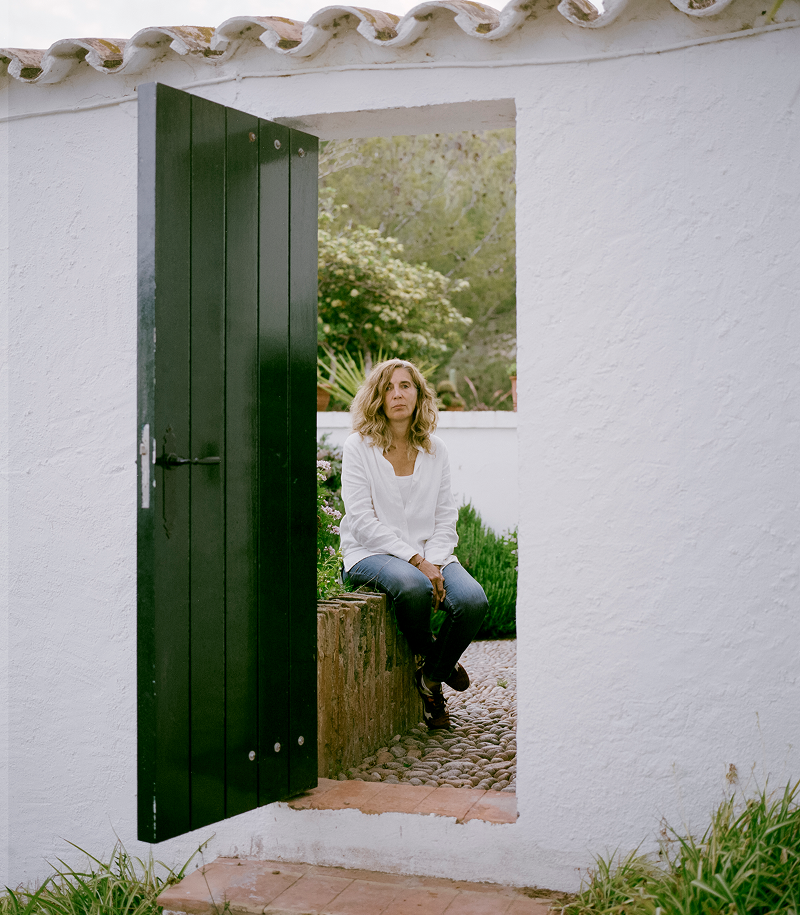
She sought out the bench of solace and sat there in the company of Jamaica Kincaid, Anne Carson, Clarice Lispector, Fleur Jaeggy and Daniela Pes. Sometimes Carroll and Musil were there too. She looked at the trees, the rocks and the sea, but her gaze drifted off into the horizon of a past life. She let herself be distracted by the echoes of footsteps in her memory. Writing as an escape from the present, pure rambling, evasion or distraction. What matters is always elsewhere and is never quite found. It is barely glimpsed.

( 121 )

He established a ritual: every day, without fail, at 8.30 am he would go down to Cala Sanià, take in the surroundings, write in his notebook and take photographs. His observations are a celebration of the origin of everything: the ceaseless (for now) dance of the four elements; and of language.

( 122 )

She faced her own voice amidst the silence of the cabin. She delved into beauty (the beginning of the terrible), she wrestled with the writing. Having no phone or Wi-Fi connection helped her dispel the mist ‘like a viscous weight on her forehead’. If things got complicated, she would go out for a walk and listen to music. On her return, she would throw herself into it. Sometimes she skipped dinner, so absorbed was she in the battle. “The idea of writing a book that is a loved one, that never ends.” “To be a writer and nothing else. Not to be a circus. To accept it and see it through.” “I am not a contemporary.”

( 120 )

She came with Pirueta, which is to say that she often had to jump through hoops to help her dog settle into life in Sanià (new people, the howling winds and, above all, the peaceful chickens). Nevertheless – and despite the back pain that forced her to write standing up – she finished a short novel. She found the ending during a walk through a forest of pine and holm oak trees.

( 119 )

He strained his ears in the silence of the cabin. This helped him, amongst other things, to take note of every topic of conversation. He worked, in cold blood, on a terrifying story. He read like a man on a mission, making the most of his time. And, above all, he didn’t miss a single dessert, let alone Ari’s cakes and pastries after the evening meals, when everyone else was about to go to bed.

( 118 )

She dropped out of law school and, for three weeks, refrained from writing any notes or jottings about the disappearance of the tramontana. She promised herself she would not write about nature, because nature – as she knows – loves to hide. Yet she noticed so many tiny things – some she spoke of; others she could do nothing but keep to herself.

( 116 )

She put down her paintbrushes in her Toronto studio and came to the RLF, not only to write her first novel but also to experience the physicality of the surroundings. Walking up and down the stairs to Cala Sanià allowed her to discover a new side to herself. She showed us that open contemplation is the ultimate form of respect for all things.

( 117 )

He tended to contradict without any effort, as if it were an acquired habit. He refused to gain weight; he ran and did push-ups, but stayed away from yoga. Meditation? Absolutely not. Better to let himself be filled with metaphors of the sea and Beyoncé’s music (he gave us a playlist).